

1
/
of
1
Irritans Piranha (Serrasalmus Irritans)
Irritans Piranha (Serrasalmus Irritans)
Regular price
$0.00 USD
Regular price
Sale price
$0.00 USD
Quantity
Couldn't load pickup availability
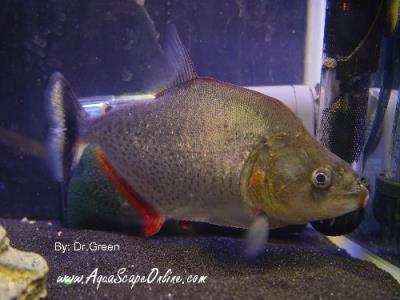
Serrasalmus irritans, commonly known as the Irritan piranha, is a rare, relatively small (up to 20 cm or 8 inches) piranha species native to the Orinoco River basin in Colombia and Venezuela. Due to their aggressive and fin-eating nature, they must be kept in a species only tank.
Tank Requirements
- Tank Size: Due to their aggressive, solitary nature and activity level, a single S. irritans requires a tank of at least 30–40 gallons, though larger is better to ensure water quality.
- Decor: Provide a naturalistic environment with driftwood, plants (live or artificial), and rocky, dark substrate to provide hiding spots and reduce stress.
- Filtration & Water Movement: They are messy eaters, requiring strong filtration (heavy duty canister filters are recommended). A powerhead can be added to simulate a river current.
- Lighting: Subdued or dimmed lighting is preferred, as they can be shy and easily spooked by bright, direct light.
- Safety: Ensure the tank has a very secure lid, as they can jump if frightened.
Water Conditions
- Temperature: 24–29°C (75.2–84.2°F).
- pH: 6.0–7.5.
- Hardness: 4–18°N (71.43–321.43 ppm).
- Maintenance: Weekly water changes of 10–25% are necessary to keep nitrates low, as they are sensitive to poor water quality.
Diet and Feeding
- S. irritans are primarily carnivores and are known to be fin-eaters in the wild.
- Diet: Feed a varied diet of fish flesh, shrimp, krill, mussels, and occasionally, high-quality pellets.
- Frequency: Feed young fish daily and adults every 2–3 days.
- Caution: Avoid feeding live feeder fish regularly, as they can bring diseases and parasites into the tank.
Behavior and Tankmates
- Temperament: Highly territorial and aggressive towards their own kind.
- Tankmates: Best kept as a solitary specimen (species-only tank). If attempting to house with others, it should be in a very large tank with ample, separate hiding spots.
- Handling: Extreme caution is required when cleaning the tank, as they have sharp, powerful teeth.